
Inside The Custom Home Design Process: How We Translate Your Lifestyle into Architectural Form
Designing a custom home is not about selecting finishes or following trends. It is about translating the way you live into architectural form. At Dornford, our design process is structured, collaborative, and deeply personal. Every line on the plan exists for a reason, shaped by your routines, priorities, and long-term vision.
For homeowners searching for how the custom home design process works, or how builders translate lifestyle into architectural design, this guide offers a transparent look inside our approach.
Why Lifestyle-Led Design Matters in Custom Homes
Many homes look impressive in photos but feel disconnected in daily life. Circulation feels awkward. Storage is insufficient. Natural light misses key living zones. The home becomes something you manage, rather than something that supports you.
Lifestyle-led architectural design reverses that pattern.
Instead of asking, “What style do you like?” we begin with, “How do you live?” Your morning routines, entertaining habits, work patterns, privacy needs, and future plans all inform the layout before external form is ever considered.
This approach creates homes that feel intuitive, calm, and enduring.
Step 1, Deep Discovery and Client Briefing
Every high-performance custom home begins with clarity.
Our discovery phase is structured to uncover both practical requirements and emotional drivers. We explore:
• Daily routines and movement patterns
• Entertaining frequency and guest accommodation
• Work-from-home requirements
• Storage expectations
• Long-term plans, including growing families or ageing in place
• Site conditions, orientation, and local context in South Australia
This is not a rushed meeting. It is a strategic conversation that forms the foundation of the architectural brief.
Step 2, Site Analysis and Architectural Strategy
Before concept sketches are refined, we analyse the block in detail.
In South Australia, orientation, prevailing winds, soil classification, and council requirements significantly influence design decisions. A well-designed home responds to its site rather than fighting it.
We assess:
• Solar access and passive design opportunities
• Privacy from neighbouring properties
• Views and natural outlooks
• Setbacks and planning overlays
• Slope and structural considerations
By aligning architectural form with environmental performance, we create homes that are comfortable, energy-efficient, and resilient.
Step 3, Concept Design and Spatial Planning
This is where lifestyle becomes layout.
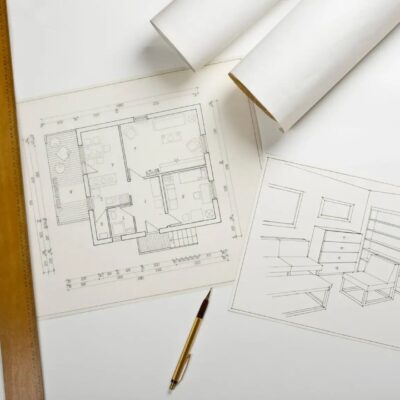
We translate your brief into spatial relationships, mapping how rooms connect, how light enters the home, and how private and shared zones are balanced.
Key considerations include:
• Clear zoning between living and retreat areas
• Logical kitchen placement relative to entertaining spaces
• Seamless indoor and outdoor integration
• Circulation pathways that feel natural and uncluttered
• Ceiling heights and proportions that create presence without excess
Rather than designing room by room, we design experiences. Movement through the home should feel intuitive. Storage should be integrated, not added as an afterthought. Views should be framed intentionally.
This stage often involves collaborative refinement sessions, ensuring the plan reflects both functional excellence and architectural character.
Step 4, Detailed Design and Build Integration
A concept is only powerful if it can be delivered precisely.
As a design and construction company, we integrate buildability into the design process early. This reduces cost surprises and protects design integrity.
We coordinate:
• Structural engineering
• Energy efficiency requirements
• Material selections
• Construction methodology
• Budget alignment
Because design and construction are aligned, the transition from drawings to site is seamless. The architectural intent is preserved through documented systems, staged quality checks, and disciplined execution.
For homeowners researching custom home builders in South Australia, this integration is one of the most important differentiators between concept-only designers and full-service building teams.
How We Ensure Your Home Reflects You
Translating lifestyle into architectural form is not about imposing a signature style. It is about creating a home that feels unmistakably yours.
We achieve this through:
• Ongoing design reviews
• Transparent communication
• Clear documentation and sign-offs
• Visualisation tools that help you understand scale and proportion
The result is a home that supports everyday living while elevating it. Spaces feel intentional. Light is considered. Materials are selected for both beauty and performance.
Designing for the Long Term
Truly successful architectural design considers not just how you live today, but how you want to live in five, ten, or twenty years.
That may include:
• Flexible rooms that adapt over time
• Durable, high-quality materials
• Energy-efficient performance
• Thoughtful storage solutions
• Structural strength aligned with South Australian conditions
A custom home is one of the most significant investments you will ever make. It should be resilient, refined, and future-focused.
From Vision to Architectural Form
The design process is not a single meeting or a quick sketch. It is a disciplined journey from clarity to concept to construction.
When done properly, architecture becomes more than a structure. It becomes a physical expression of how you live.
If you are considering a custom home or extension in South Australia and want to understand how your lifestyle can shape architectural design, a structured and collaborative design process is where it begins.
Quality is not accidental. It is designed, documented, and delivered with confidence.
If you would like some help with your build, book a consultation with our team to start shaping your vision. Contact us today!
For more helpful building tips, visit our other DBG Blogs or see www.youtube.com/@dornfordbuildinggroup.

Frequently Asked Questions About the Custom Home Design Process
What is the custom home design process?
The custom home design process is a structured journey that begins with understanding your lifestyle, site conditions, and long-term goals. It moves through briefing, concept design, planning, and detailed documentation before construction begins. When managed properly, it aligns architectural vision with budget, buildability, and performance from the outset.
How long does the architectural design stage take?
Timeframes vary depending on project complexity, site conditions, and council requirements in South Australia. Concept design and refinement are usually completed within three weeks, followed by detailed documentation and engineering coordination, which can take anywhere from two to six months, depending on project complexity. A thorough process protects quality and reduces costly changes during construction.
How do builders translate lifestyle into floor plans?
Lifestyle translation begins with analysing how you move, gather, work, and rest within a home. Designers map circulation pathways, zone private and shared spaces, and position key rooms based on light, privacy, and connection to outdoor areas. The result is a floor plan that feels intuitive and supportive rather than purely aesthetic.
Why is site analysis important in South Australia?
South Australian sites often present specific considerations such as reactive soils, orientation challenges, planning overlays, and coastal conditions. A detailed site analysis ensures the architectural form responds to solar access, structural requirements, and environmental performance, creating a home that is durable, efficient, and comfortable year-round.
