
For many homeowners, building a home or undertaking a major renovation is an exciting milestone. Plans are drawn, design ideas take shape, and the vision of a new living space starts to feel real.
But before construction begins, there is one critical step that deserves careful attention: the construction contract.
Understanding construction contracts is essential for protecting your investment and ensuring everyone involved in the project shares the same expectations. The contract defines the relationship between homeowner and builder, outlining responsibilities, timelines, payment stages, and what happens if changes occur along the way.
For Adelaide homeowners, this is particularly important. Local planning requirements, site conditions, and council approvals can influence how a project progresses. Working with an experienced builder who values clarity and transparency can help ensure the contract supports a smooth building journey.
What a Construction Contract Actually Covers
.
A construction contract is more than a price agreement. It is the formal document that outlines how your home will be built and how the project will be managed.
A well-prepared contract typically includes several key elements.
 Scope of work
This section defines exactly what the builder will deliver. It should clearly reference the drawings, specifications, and documentation associated with the project.
Typically this includes:
- Architectural drawings and engineering plans
- Detailed specifications of materials and finishes
- Structural components and construction methods
- External works such as driveways or landscaping
Payment schedule
Most building contracts use a progress payment structure where payments are linked to specific construction milestones.
Common stages include:
- Deposit
- Foundations or slab stage
- Frame stage
- Lock-up stage
- Fixing stage
- Practical completion
This structure helps ensure payments align with work completed.
Construction timeframe
While factors such as weather, approvals, and site conditions can influence timelines, the contract should outline an expected construction duration and how delays will be managed.
Key Contract Terms Homeowners Should Watch For
.
When reviewing a building contract, certain terms appear frequently and can significantly influence the final cost or timeline of your project.
Understanding these terms can help homeowners avoid unexpected surprises.
Prime Cost (PC) Items
.
Prime Cost items are allowances for products that have not yet been selected at the time of signing the contract.
Examples include:
- Bathroom fittings
- Appliances
- Tiles or flooring
- Light fittings
If the final selected product costs more than the allowance, the homeowner pays the difference.
Provisional Sums
.
A provisional sum is an estimated allowance for work that cannot be fully defined before construction begins.
This may apply to:
- Excavation or site works
- Structural elements affected by unknown ground conditions
- Landscaping or external works
Because these costs are estimates, the final amount may change depending on actual site conditions.
Variations
.
A variation refers to any change made to the agreed scope of work after the contract has been signed.
Variations may involve:
- Design changes
- Material upgrades
- Additional work requested by the homeowner
These changes typically require written approval and may affect both cost and timeline.
Practical Completion
.
This term describes the point where the project is substantially finished and ready for occupation, even if minor items still require attention.
Understanding this milestone helps homeowners know when final payments are due.
Practical Steps for Reviewing a Construction Contract
Before signing a building contract, homeowners should take time to carefully review the documentation and ask questions if anything is unclear.
Here are a few practical steps that can help.
Review all supporting documents
.
A building contract usually references several documents, including:
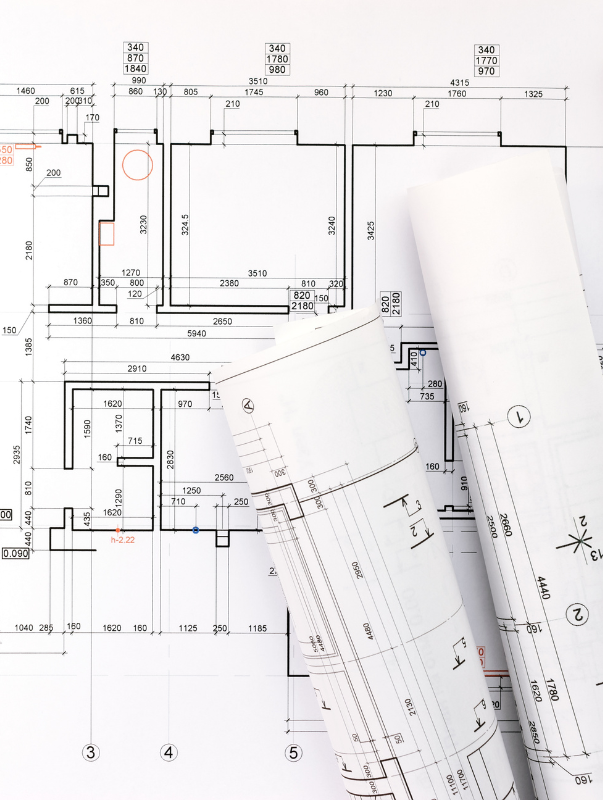
- Architectural drawings
- Engineering plans
- Specifications and selections schedules
- Soil reports and site assessments
Ensure these documents are clearly included within the contract.
Confirm what is included in the price
Clarify whether the contract includes:
- Site preparation
- Council approvals
- Engineering documentation
- Landscaping or external works
Having this clarity reduces the risk of unexpected costs later.
Understand the variation process
Even well-designed homes may evolve during construction. Knowing how changes are requested, approved, and priced helps maintain transparency throughout the project.
Take time to seek professional advice
If you are unsure about aspects of the contract, consider seeking legal or professional advice before signing. A well-understood contract creates confidence for both homeowner and builder.
Why the Right Builder Matters
.
While the contract provides the framework for the project, the builder’s experience and communication approach often determine how smoothly the process unfolds.
Builders who prioritise planning and documentation help reduce uncertainty during construction.
At Dornford Building Group, our design-and-build approach places strong emphasis on preparation. We work closely with clients during the design phase to refine plans, clarify specifications, and address potential challenges before construction begins.
This detailed planning allows the building contract to accurately reflect the project scope and minimise variations during the build.
For homeowners, this means greater cost certainty, clearer communication, and a more enjoyable building experience.
Conclusion
.
Understanding construction contracts is one of the most important steps when planning a new home or extension.
A well-prepared contract clearly outlines the scope of work, payment schedule, construction timeline, and how changes will be managed. Taking the time to review these details and understand key terms such as Prime Cost items, Provisional Sums, and Variations can prevent many of the common challenges homeowners encounter during a build.
For Adelaide homeowners, working with an experienced builder who values transparency, planning, and craftsmanship can make the entire process far more predictable and rewarding.
Thinking about building your own custom home or extension in Adelaide?
Our design and build team at Dornford Building Group can guide you from concept design through to construction, ensuring every stage is clearly planned and documented.
Visit www.dornfordgroup.com or speak with our team today to start your building journey with confidence.
Find out more about us and our projects on Instagram and YouTube.
Frequently Asked Questions
1. What risks do Prime Cost (PC) items create for homeowners?
- PC items can lead to budget blowouts if allowances are unrealistic. For example, if $2,000 is allocated for bathroom fittings but your selections total $5,000, you’ll need to pay the difference. Ensuring realistic allowances upfront is critical.
2. Can I make changes after signing the contract?
- Yes, but any change is considered a variation. Variations typically require written approval and can increase both cost and construction time. Frequent changes are one of the biggest causes of budget overruns.
3. What warranties or guarantees should be included in the contract?
- In South Australia, builders must provide statutory warranties covering structural defects and workmanship. You should also confirm:
- Defects liability period
- Manufacturer warranties on materials and appliances
4. Are council approvals included in the construction contract price?
- Not always. Some builders include planning and building approvals, while others exclude them. It’s important to confirm whether your contract covers approvals, certification, and associated fees to avoid unexpected costs.
